
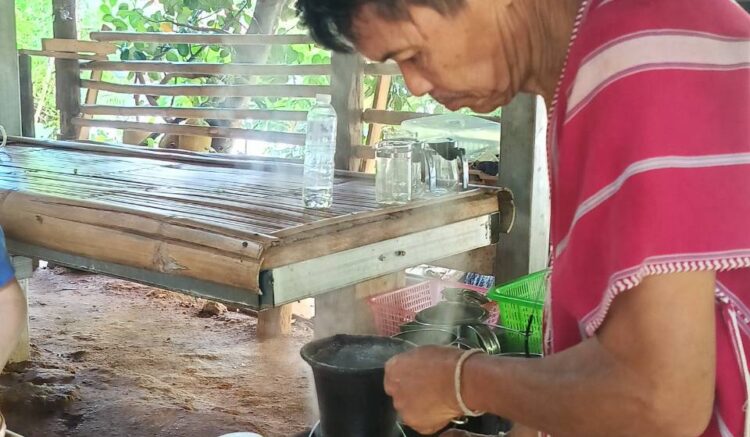
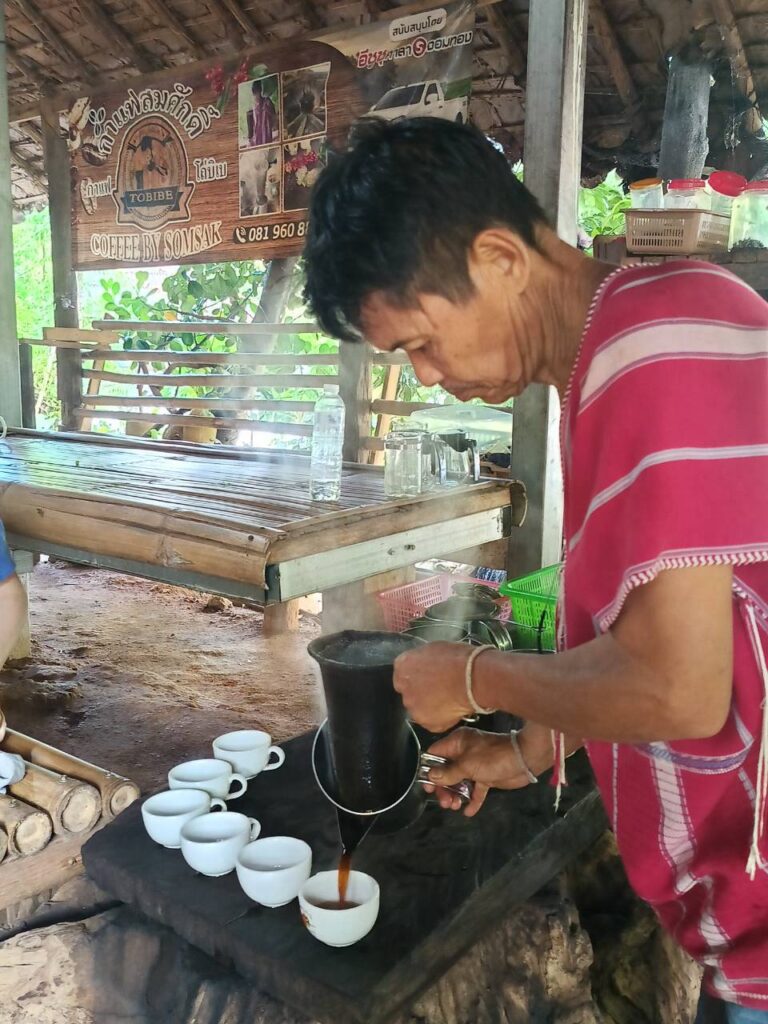
Northern Thailand is home to a remarkable diversity of ethnic communities, making it one of the country’s richest cultural regions. Over many centuries, people from different backgrounds have settled here, creating a harmonious society where traditions, languages, and ways of life continue to flourish alongside one another.
In addition to the local Northern Thai (Lanna) people, many Indigenous and ethnic communities live throughout the mountainous highlands. These communities have coexisted peacefully with local residents for generations, supporting one another through trade, agriculture, and cultural exchange.
One of the most visible examples of this relationship is agriculture. Many highland communities cultivate coffee, tea, vegetables, fruits, herbs, and handicrafts, which are brought to towns and cities for local markets. This tradition of exchanging goods reflects a way of life that has connected people across cultures for centuries, where each community contributed its own skills, knowledge, and resources.
Today, many members of these ethnic communities are recognized as citizens of Thailand. Younger generations grow up studying alongside local children, sharing ideas and experiences while maintaining close ties to their own cultural heritage. Although modern life continues to evolve, each community takes great pride in preserving its unique language, clothing, customs, festivals, music, and traditional wisdom, passing these treasures on to future generations.
Thanks to its location near the borders with Myanmar and close to historic routes leading toward southern China, Northern Thailand has long been a crossroads of cultures. This rich history has shaped the region into a vibrant mosaic of traditions that visitors can still experience today.
For travelers interested in culture and authentic local experiences, visiting an ethnic community offers a unique opportunity to learn about traditional lifestyles, local craftsmanship, farming practices, and centuries-old customs. These visits are not about observing differences, but about building understanding and appreciating the cultural heritage that makes Northern Thailand so special.
Responsible tourism plays an important role in preserving these traditions. By visiting local communities with respect, supporting community-based tourism, and purchasing locally made products, travelers help ensure that these unique cultures continue to thrive while creating sustainable opportunities for future generations.
As Northern Thailand embraces modern technology and development, it also remains deeply connected to its roots. Here, tradition and progress exist side by side, allowing visitors to experience a living cultural heritage rather than something confined to history.